Follow the Light.
“Follow the light; the light will be your guide.”
Whether taken literally or metaphorically, it is difficult to think of a better principle for architecture.
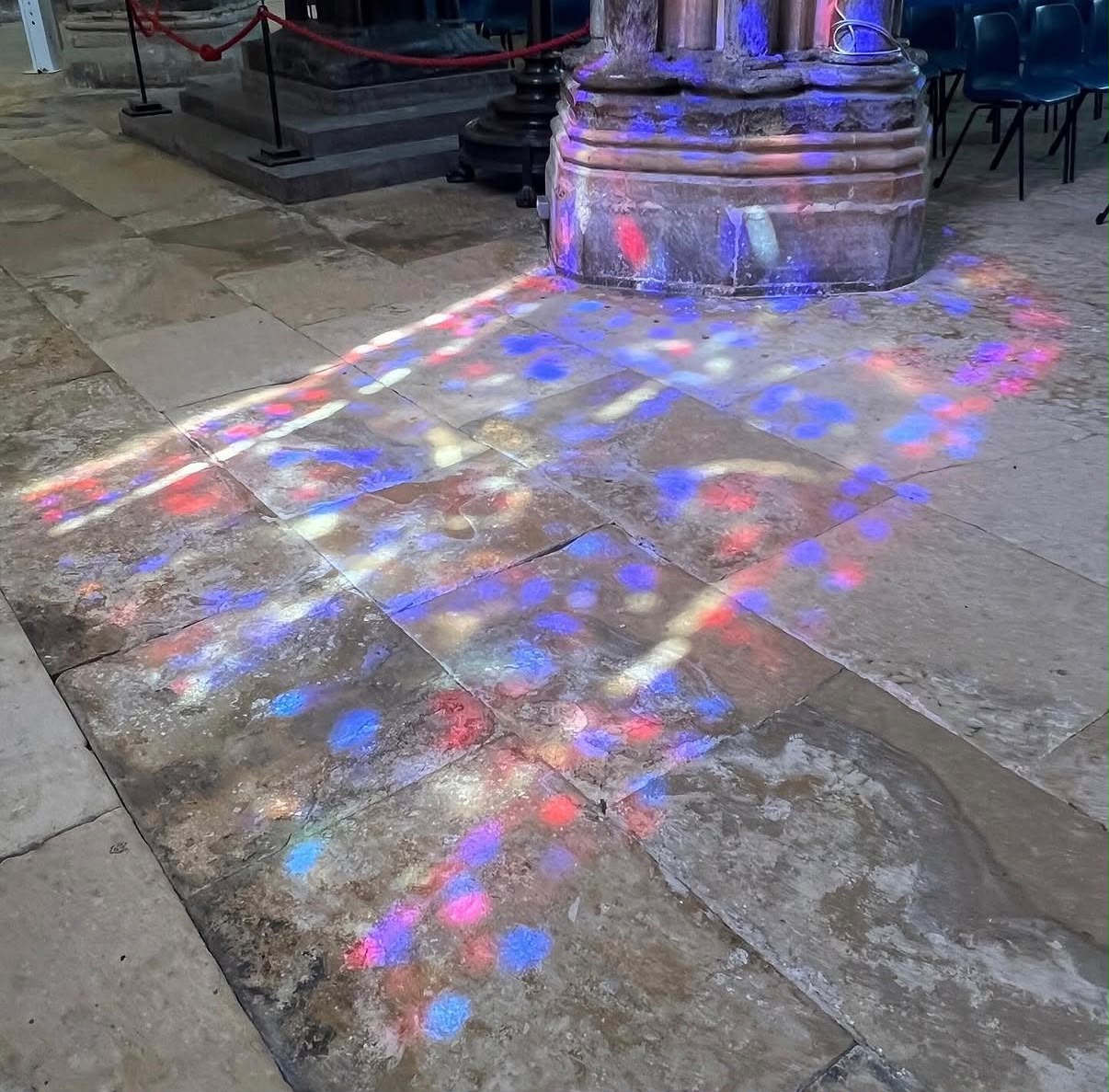
For thousands of years, light has carried profound symbolic meaning. In churches, cathedrals and chapels, shafts of sunlight filtering through stained glass were never merely practical. They represented hope, revelation and the divine. The architecture itself became a vessel through which heaven met earth, with carefully positioned windows transforming ordinary daylight into something almost transcendent.
Architecture has always reflected the materials available to it. Medieval masons worked within the limits of stone, timber and hand-blown glass, yet produced astonishing traceried windows that remain among the most beautiful ever created. The Industrial Revolution, and later modernity, introduced steel, reinforced concrete and vast sheets of glass, allowing buildings to become lighter, more transparent and increasingly open. Style evolves not only through changing taste, but through changing technology; materials and geometry continually shape one another.
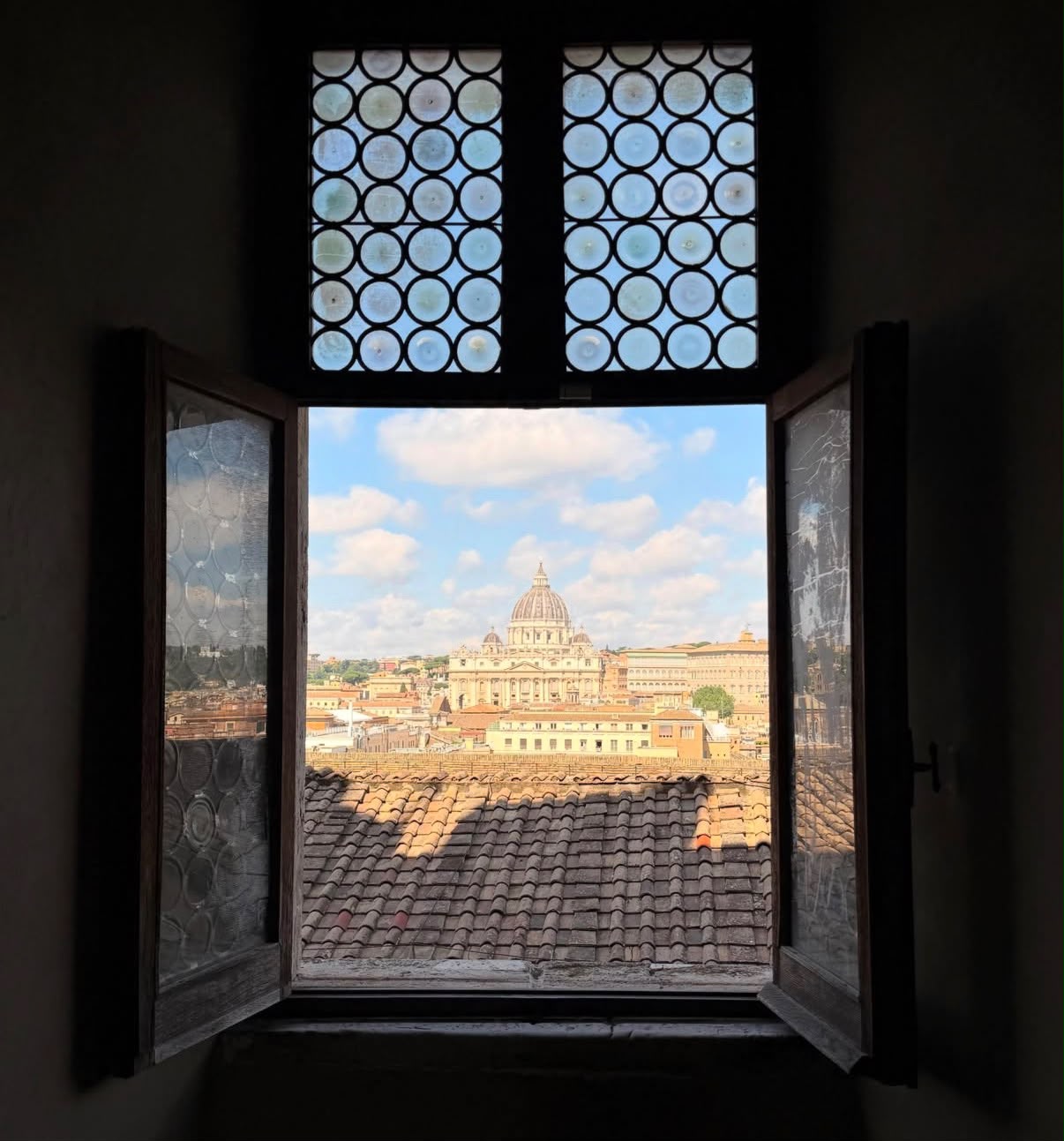
One of the very first lessons I remember learning in architecture came long before university. At fourteen, during work experience in Warwick, I was given a simple SketchUp exercise by Graham, an architect with decades of experience. He asked me to think carefully about the view from the top of a staircase and suggested framing a south-facing window at the landing. It was such a small design move, yet it taught me something I have never forgotten: the journey through a building matters just as much as the rooms themselves. Sometimes the destination is simply a beautifully lit moment.
Of course, designing with light is not simply a matter of making windows larger. Every opening is a balance between daylight, privacy, overheating, glare and heat loss. A room that feels glorious on a crisp winter morning may become uncomfortable on a hot summer afternoon. Understanding the path of the sun throughout the day and across the seasons remains one of architecture’s most fundamental disciplines.
Today, we can understand light in ways that previous generations of architects could only estimate. Environmental analysis software and 3D modelling tools allow us to simulate the movement of the sun throughout the year, measuring daylight levels, shadow patterns and solar gain with remarkable accuracy. Rather than treating light as something to admire once a design is complete, it can become an active design parameter from the very beginning—a measurable constraint that influences the arrangement of rooms, the size and position of windows, the depth of overhangs and even the overall form of a building. Used thoughtfully, these tools do not replace architectural judgement; they simply allow us to make better-informed decisions.
Light is often described as a building material, even though it cannot be held. It defines texture, reveals proportion, softens corners and changes continuously with the weather and the passing hours. The same room can feel entirely different at dawn, at midday and in the final light of the evening. Good architecture does not simply admit light; it choreographs it.
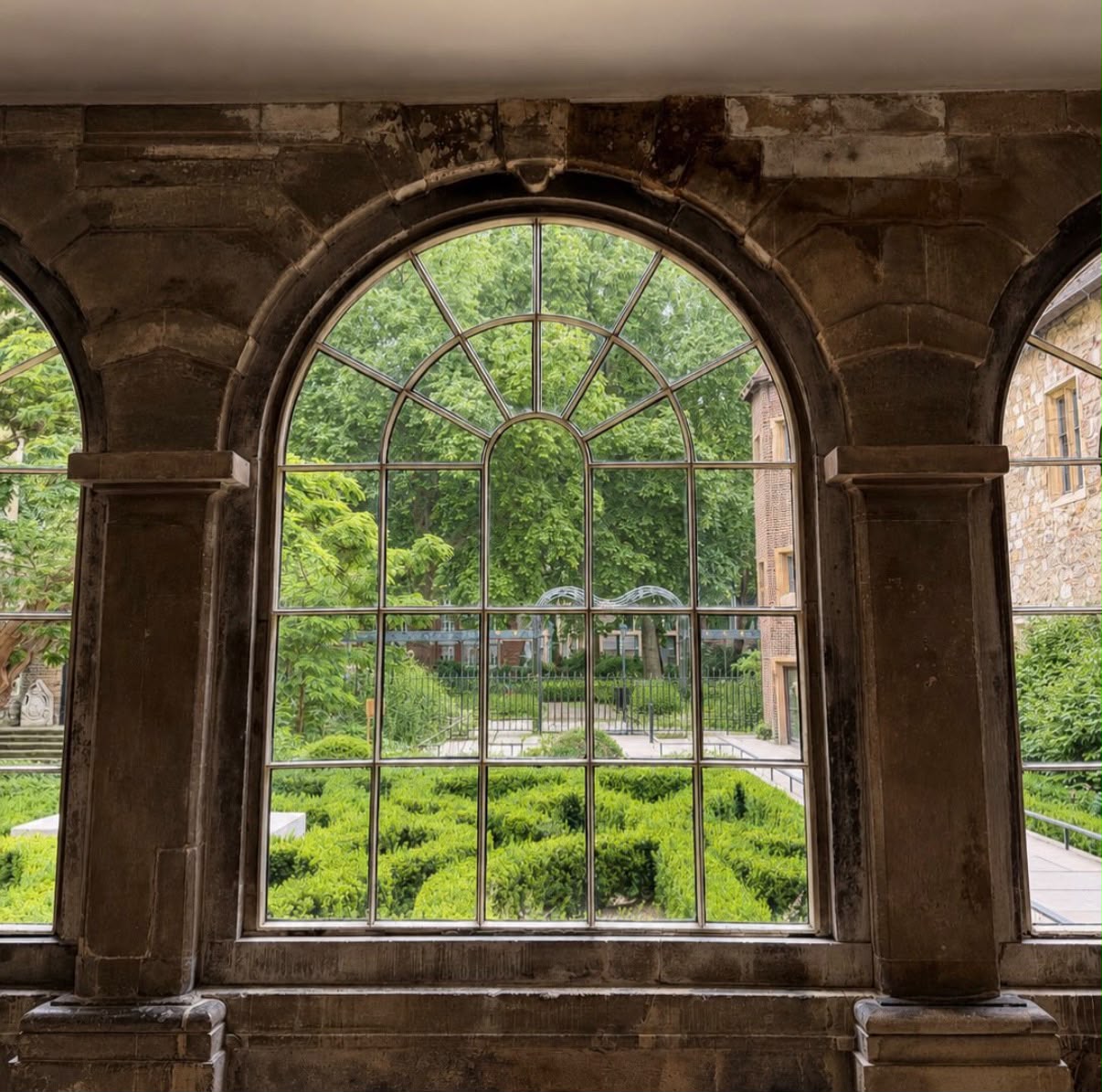
Today, architects have more tools than ever. Rooflights, large-format glazing, polycarbonate panels, slim-framed steel windows and bespoke ironmongery offer remarkable opportunities to shape daylight in ways that previous generations could scarcely imagine. Yet despite these innovations, I still find myself drawn to classical windows with deep reveals, carefully judged proportions and elegant tracery. They remind us that craftsmanship and beauty need not be sacrificed in pursuit of modern performance.
Contemporary housing design increasingly reflects the importance of natural light. Planning policies often encourage dual-aspect homes, ensuring that living spaces receive daylight from more than one direction while also improving ventilation, outlook and overall quality of life. It is a quiet but important acknowledgement that light is not a luxury—it is fundamental to how we experience our homes.
Perhaps that is why I return to the same simple thought so often.
Follow the light.
In architecture, as in life, it is usually a good place to begin.